

Operational advisory · fractional management
We help trucking and freight companies improve their operations, and we can step in to manage them.
Your company has trucks, customers and staff. Yet every important question still comes back to you.
We help owners put clear processes, reporting and accountability in place. When advice is not enough, we can take an active role in managing the operation. We work with carriers, fleets, freight brokerages and dispatch companies worldwide.
34 years
in road transport and logistics
Led by Andrzej Wieczorek. Remote support for transport companies worldwide.
Truck driver
International driver
Dispatcher
Traffic manager
European operations manager
Transport business owner
Andrzej has worked behind the wheel, in the traffic office and at the negotiating table.
The structural problem
The company has grown. The way it is managed has not.
Most owner-led transport companies do not become difficult to run overnight.
The owner adds trucks. Hires drivers. Brings in dispatch staff. Adds customers. Solves each new problem as it appears. Revenue grows, but responsibility stays with one person.
Soon, the owner approves routine decisions, handles staff problems, answers customer complaints, checks dispatch and steps in whenever something goes wrong.
The company looks established from the outside. Inside, it still depends on the owner's memory, judgement and availability.
That creates risk. When every decision comes back to you, the business cannot move faster than you can.
Common signs
You may recognise some of these:
- Staff wait for your approval before acting.
- The same problems return each week.
- Managers have titles but limited authority.
- Processes change depending on who is working.
- Important knowledge lives in one person's head.
- You cannot take time away without checking in.
- Reports arrive too late to help you decide.
- You stay busy but still lack a clear view of what is working.
Who we help
Built for owner-led transport companies
We work with established transport businesses that have moved beyond the start-up stage but still depend on the owner for daily decisions.

Carriers and fleets
For fleet owners who have added trucks, drivers and office staff but still manage dispatch, customer problems, staffing issues and daily decisions themselves.
Our strongest fit is an established fleet of roughly 10 to 50 trucks, although company size alone does not decide whether we can help.

Freight brokerages
For brokerage owners whose team has grown, but roles, workflows and accountability remain unclear.
We help create a more consistent operation across customer service, carrier work, pricing, load coverage and management.

Dispatch operations
For dispatch businesses that need staff and daily work under control.
We help put clear responsibilities and operating standards in place.
Two ways we help
Start with advice. Add management when you need it.
Operational review and advisory
We review how the business currently runs. We look at roles, workflows, reporting, meetings, decision-making and the points where work gets stuck.
We then help you define what must change, what should happen first and who should own each part.
This service fits owners who need a clear diagnosis, better processes and a practical plan.
Explore operational reviewOngoing operational management
Some owners do not need another plan. They need someone experienced to help run the operation.
We can take an agreed management role, lead meetings, work with staff, review performance and help keep the new structure in place.
You keep ownership and strategic control. We take responsibility for the work defined in the engagement.
Explore ongoing managementAdvisory versus responsibility
Advice tells you what should change. Management helps make it happen.
A review can show where the operation is weak. It can identify unclear roles, repeated mistakes, poor reporting and owner dependency.
That matters, but the report does not run the company. Your team still needs direction. Someone must hold people accountable, make decisions, follow up and correct the process when it starts to slip.
We offer both levels of support.
Advisory
We study the operation, set priorities and help build the right processes, roles and reporting. Your team carries out the day-to-day work.
Operational management
We stay involved. We can lead the operating rhythm, work with managers, review performance and take agreed responsibility for keeping the operation on track.
Why common fixes fail
Another hire or a new system may not fix the real problem
These steps can help, but only when the company has a clear operating structure.
A new employee cannot succeed if nobody defines the role. Software cannot decide who owns a result. A dispatcher does not become a manager because the title changes. A procedure has little value if nobody follows it.
The problem often sits underneath the tools and people. The company lacks clear responsibility, agreed ways of working and consistent management. We help put that structure in place.
What owners usually try first
Hire another dispatcher
Promote a reliable employee
Buy a new TMS
Add more reports
Write a few procedures
Work longer hours
Intended outcomes
What a better-run operation looks like
The aim is not to add layers of paperwork. The aim is to make the company easier to see, manage and trust.
- Clear roles and decision rights
- Managers who know what they own
- Processes that staff can follow
- Reports that show problems early
- Regular meetings with a clear purpose
- Defined routes for escalation
- Better control over daily execution
- Less dependence on one employee
- A clearer base for growth, succession or sale

34 yrs
In road transport
Driving, traffic office and management
Why now
A weak freight market exposes weak management
You cannot control freight rates, fuel prices, insurance costs or the wider economy. You can control how your company responds.
When margins tighten, slow decisions cost more. Empty miles matter more. Poor communication creates more damage. Weak accountability becomes harder to carry.
A strong market can hide waste and confusion. A long downturn brings them to the surface.
This is not a reason to panic. It is a reason to know where the operation stands and what the team can improve.
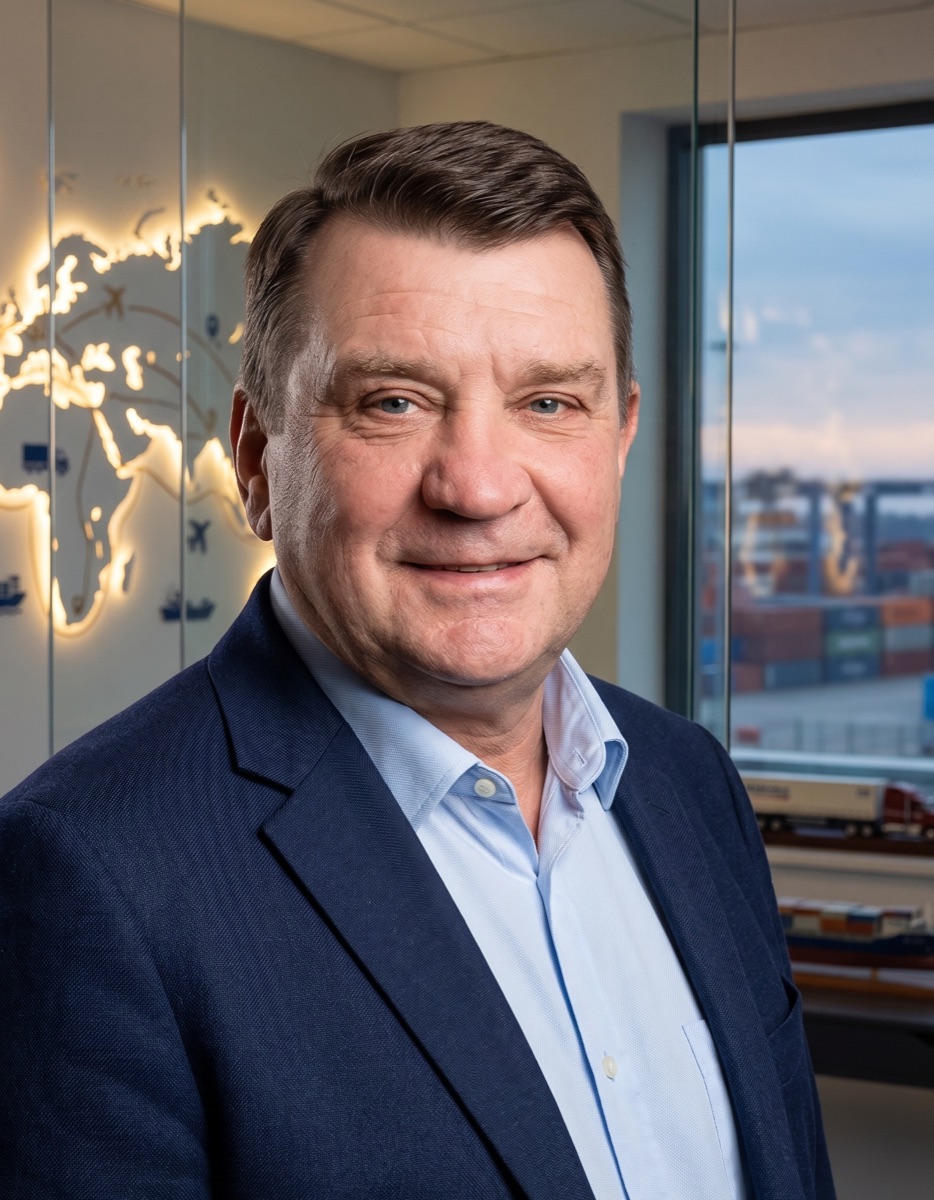
Meet Andrzej
Transport experience from the cab to company management
I started driving trucks in Poland in 1992. From 1996, I drove international routes across Germany, the Netherlands, Italy and Spain. I moved to the UK in 2004 and drove for a family haulier in Yorkshire.
In 2007, I moved into the traffic office as a dispatcher. From there, I became a traffic manager at a large temperature-controlled contract logistics operator. I then spent nine years with one of Britain's best-known haulage brands, where I reached a management position in European operations.
Today, I remain involved in running transport operations. I built this company to help owners who need structure, accountability and someone who understands how the work gets done.
I have seen transport from every side. I know what happens on the road, what pressure sits in the traffic office and what management must do when customers, drivers, costs and service all pull in different directions.
How an engagement starts
We start by understanding how the company runs
The first conversation focuses on the operation, not a sales script. We ask where the owner spends time, which problems keep returning, what the team can manage and where responsibility remains unclear.
01
Talk through the operation
We discuss the company, team, current pressure and the result you want.
02
Agree what needs attention
We define the business areas that require review or management support.
03
Set the scope
We agree responsibilities, access, meetings, deliverables and boundaries in writing.
04
Start with the right level of support
A defined project, a project followed by a retainer, or an ongoing management engagement.
Engagement options
Three ways to work with us
We do not publish a fixed price list. The right fee depends on company size, complexity, urgency, access and the level of responsibility we agree to take.
For ongoing advice, implementation support or an agreed operational management role.
Discuss this optionFor owners who want to begin with a defined review or process project, then keep support in place during implementation.
Discuss this optionFor complex work, unusual operating needs or a wider management remit.
Discuss this optionOwner-dependency audit
How much of the company still depends on you?
The Owner-Dependency Audit helps you spot where the business still relies on your direct involvement. It covers routine decisions, staff questions, key-person risk, management reporting, process consistency, delegation and operational control.

Final step
You have built the company. Now build the way it runs.
You do not need to hand over ownership. You do need a clear view of what depends on you, what the team can take over and what must change before the business can run with less daily intervention.
- Talk to Andrzej about where the operation is getting stuck.
- Carriers, fleets, brokerages and dispatch companies worldwide
- Remote support · no named client references published
Book an operational control call
Tell us how the operation runs today
Thanks — we'll come back within one business day with two times and a short list of what to have to hand.